
Most of us would rather stay in the home we love than move because of a staircase. We match KC homeowners with vetted contractors for thoughtful safety upgrades — ramps, walk-in showers, grab bars, stairlifts — that keep independence intact.
What our aging-in-place pros handle
- Wheelchair ramps — properly sloped, permitted, and built to last
- Walk-in showers and tubs — curbless entries, seating, and anti-scald valves
- Grab bars — anchored to studs or blocking, placed where falls actually happen
- Stairlifts — straight and curved rail systems
- Widened doorways and hallways — for walkers and wheelchairs
- Lever handles and rocker switches — small changes that matter with arthritis
- Improved lighting — brighter, glare-free light in stairs, halls, and baths
- First-floor living conversions — laundry and full bath on the main level
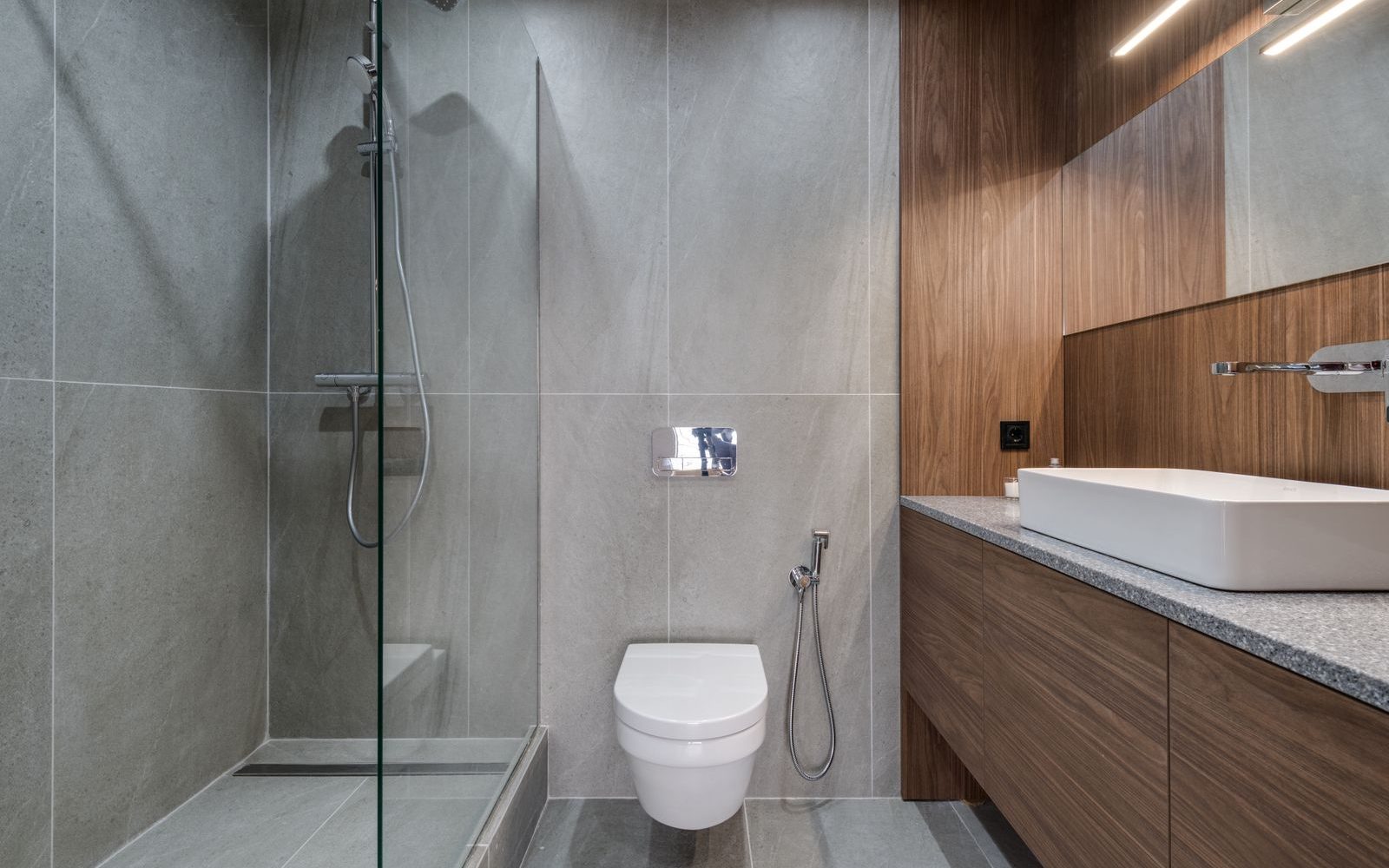
Start with the bathroom and the entrance
If you’re wondering where to begin, contractors who do this work will tell you the same thing: the bathroom and the home’s entrance are where independence is won or lost. Bathrooms combine water, hard surfaces, and balance challenges — a curbless shower with a seat and well-placed grab bars transforms the riskiest room in the house. And a home you can’t enter safely isn’t a home you can age in, which is why ramps and zero-step entries come next. Everything after that is about making daily life easier, one friction point at a time.
Planning ahead beats reacting
The best aging-in-place projects happen before they’re urgent — planned calmly, on your timeline, with time to choose finishes you actually like. That said, many families call us after a fall or a hospital discharge, and our pros understand that too: they can prioritize the critical fixes first (bathroom safety, bedroom access) and phase the rest. Either way, a good contractor listens to how you live — not just what a checklist says — because the right upgrades look different for everyone.
Done with dignity, not disruption
This work happens in someone’s home — often while they’re living in it, sometimes while they’re recovering. The contractors we refer understand that: they communicate clearly, keep the work area clean and safe day to day, protect the rest of the house, and treat the homeowner — not just the family member who called — as the decision-maker. If a contractor can’t explain what they’re doing in plain, patient language, they don’t belong in this work.
What to expect from your vetted aging-in-place pro
- Licensed and insured, with permits pulled where required (ramps, electrical, plumbing)
- A walkthrough focused on your daily routine — not a one-size-fits-all package
- Grab bars anchored properly (into studs or added blocking — never just drywall)
- Clear, written scope with phased options when budget or timing requires it
- Respectful crews, clean job sites, and patience with questions from the whole family
How matching works
Tell us who the upgrades are for and what daily life looks like — we’ll match you with one vetted KC contractor experienced in accessibility work. You hire them directly, our service is free, and most matches happen within one business day. Family members coordinating from out of town are welcome — just say so in the request.
Ready for a good word?
Tell us about your project and we’ll match you with a vetted local pro — usually within one business day. Free for homeowners, no pressure, no spam.
Related services
Popular service areas
Frequently asked questions
Frequently asked questions
What’s the single most impactful aging-in-place upgrade?
For most homes, it’s the bathroom: a curbless walk-in shower with a seat and properly anchored grab bars addresses the highest fall risk in the house. Second is safe entry — a properly built ramp or zero-step entrance.
Will these upgrades hurt my home’s resale value?
Thoughtful accessibility work — curbless showers, wider doorways, first-floor laundry — generally reads as modern updating to buyers. The key is quality finishes that look intentional, which is exactly what our pros deliver.
How disruptive is the work?
Grab bars and ramps are typically quick. Bathroom remodels take longer, and a good contractor will plan around your routine — for example, sequencing so you’re never without a working bathroom. Ask about the daily-life plan before work starts.
Can you help if this is urgent — like after a hospital discharge?
Yes. Tell us it’s time-sensitive and we’ll prioritize the critical safety fixes first. Many of our pros are used to fast-turnaround accessibility work and can phase a project: safety now, comfort upgrades next.
Do you work with adult children coordinating from out of town?
Absolutely — it’s common. Put your contact details in the request, note that you’re coordinating remotely, and we’ll match you with a contractor who communicates well by phone, text, and photos.